
For builders preparing to use Elysium, the question ahead of its planned mainnet opening was not just whether projects and users would arrive. It was also how their transactions would reach the chain’s sequencer—the component that orders transactions.
As reported on November 9, 2026, Elysium, described as Hyperliquid’s first layer-2 ecosystem project, was scheduled to open its mainnet that evening. Activity had grown ahead of the launch, but the report described a slowdown and an unresolved dispute over whether some traders had faster transaction access.
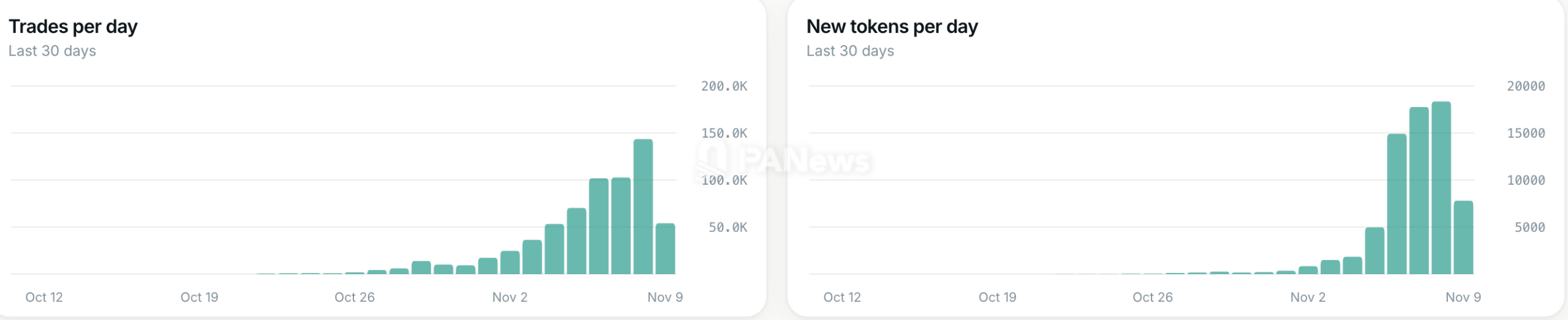
Activity before the planned opening
Elyscan recorded more than 6.379 million cumulative testnet transactions at the time of reporting. Daily transactions exceeded 1.4 million on November 8. Elysium Explorer put cumulative bridge inflows above 210,000 HYPE, worth approximately $15.48 million.
Token launches also accelerated. Arkhampad recorded about 18,000 new tokens and 143,000 token-trading transactions on November 8; its cumulative count exceeded 66,000 tokens across more than 113,000 addresses. Elyscreener put launchpad trading volume over the preceding 24 hours at about $21.19 million, with Ascend accounting for roughly 41% and Montra 28%. Both launchpads had opened earlier than their previously planned post-mainnet starts.
The pace appeared to ease by November 9: the report cited about 25,000 token-trading transactions and 4,500 new tokens that day. It also cited roughly 268,000 “mainnet transactions”, down about 80.9% from a peak, while saying the formal mainnet opening was still ahead. The report did not resolve that apparent timing or metric distinction.

What the ordering dispute means
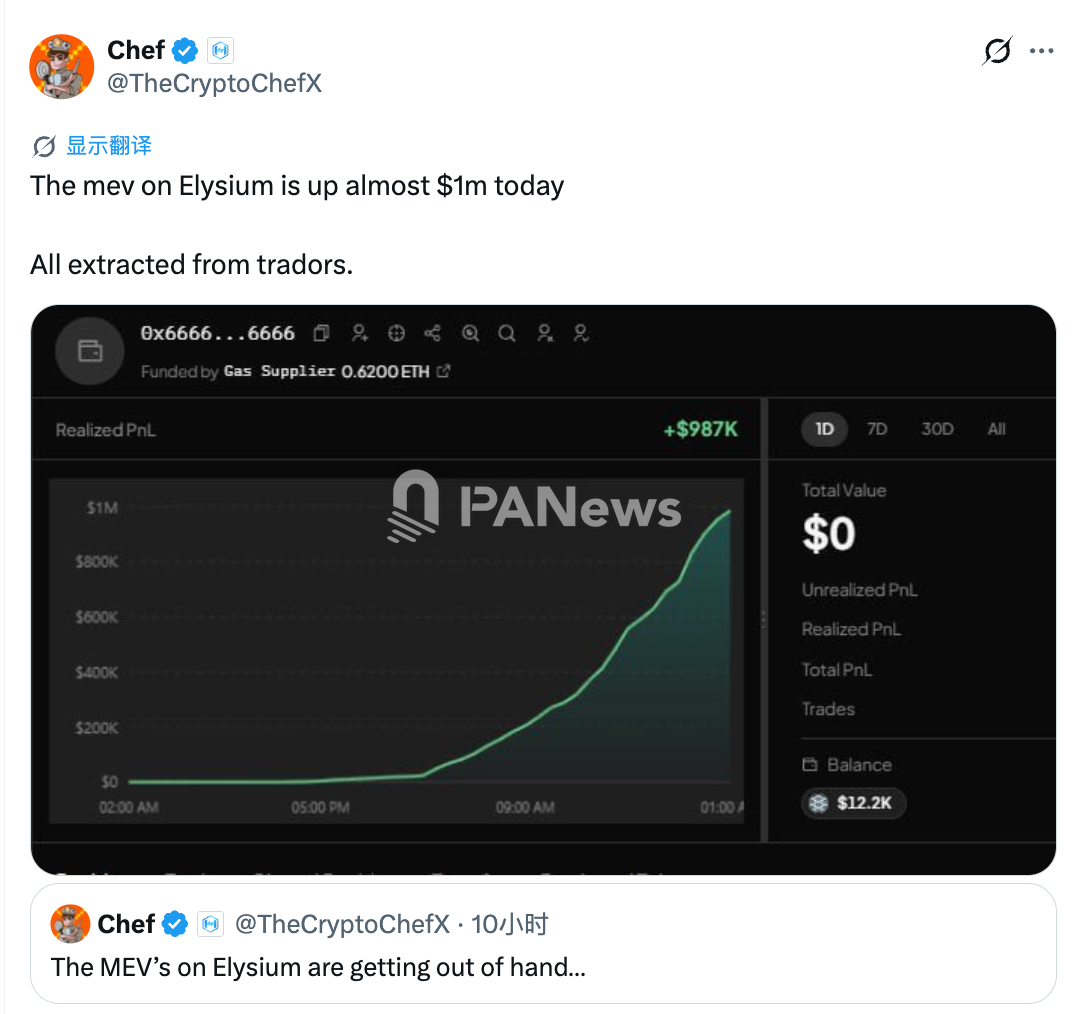
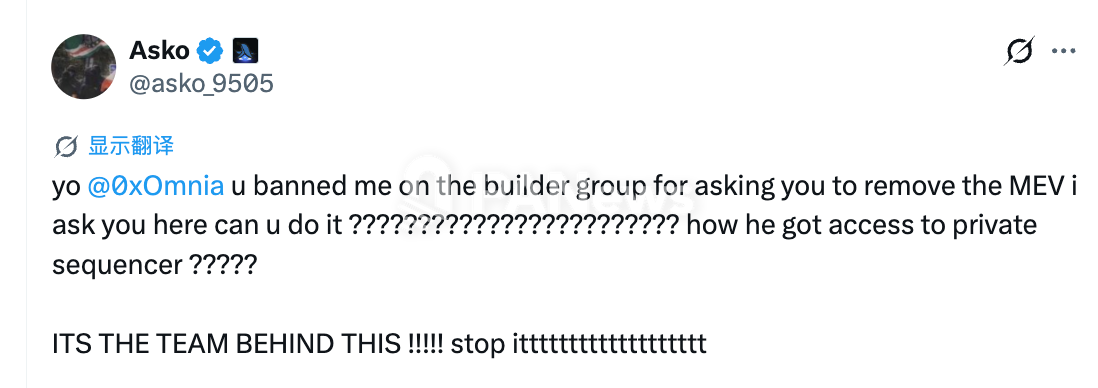
Community members alleged that a wallet used privileged access to run a sandwich attack bot—placing trades around another user’s transaction to profit from the resulting price movement. The Elysium team initially acknowledged a related issue and said it had revoked the address’s RPC access. After further community allegations, the team said the transactions used the normal HyperEVM Delayed Inbox route and denied misuse of sequencer privileges. Those competing accounts were not resolved in the report.
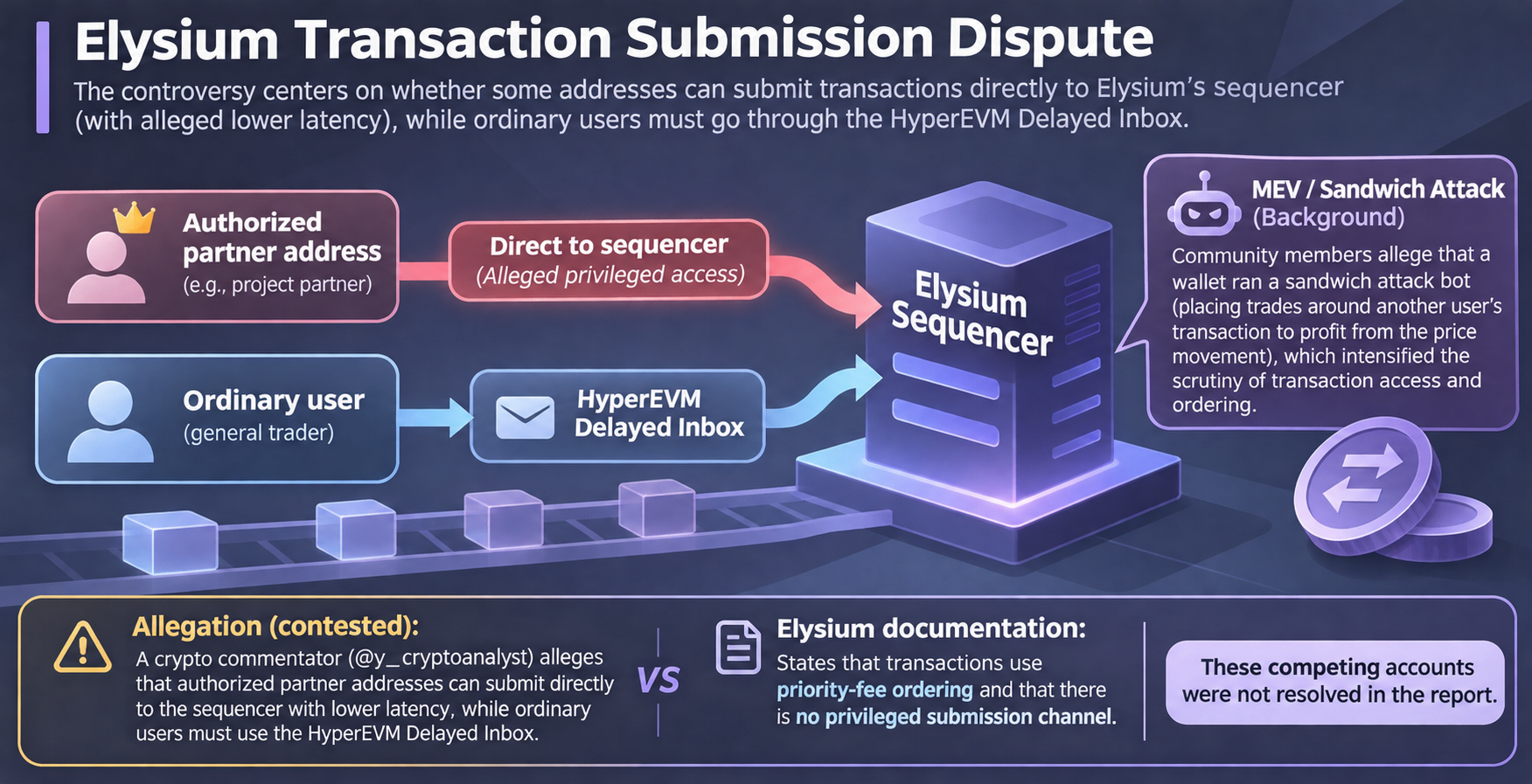
Crypto commentator @y_cryptoanalyst alleged that authorized partner addresses could submit directly to the sequencer with lower latency, while ordinary users had to use the Delayed Inbox. The commentator contrasted that account with Elysium’s documentation, which says transactions use priority-fee ordering and that there is no privileged submission channel. This alleged difference in access—not merely the presence of bots—is the technical concern for users submitting trades.
Separately, femtos.xyz reported that, over seven days, 31 monitored sandwich bots made more than 24,000 attacks involving over 6,000 traders. It estimated approximately $303,000 obtained through those attacks and a 3.4% median loss per affected trade. Those network-wide figures do not, by themselves, establish the disputed wallet’s access route or the team’s role.